
The C2C: Conflict to Coexistence approach (C2C approach) provides a framework and methodology through which tailor-made human-wildlife conflict (HWC) management strategies can be developed based on the local cultural, environmental and social context. It facilitates systematic planning, implementation, monitoring, and adaptive management of HWC and recognises that HWC is a system, requiring multiple, integrated, and collaborative actions. Through a stepwise, participatory multi-stakeholder process (involving those directly affected by HWC), the C2C Approach promotes long-term management of HWC, while achieving short-term and intermediate results. During this session, we will be presenting the framework, methodology, and guiding materials of the C2C approach as well as lessons learned from its implementation on the ground in Bhutan.
Speakers:
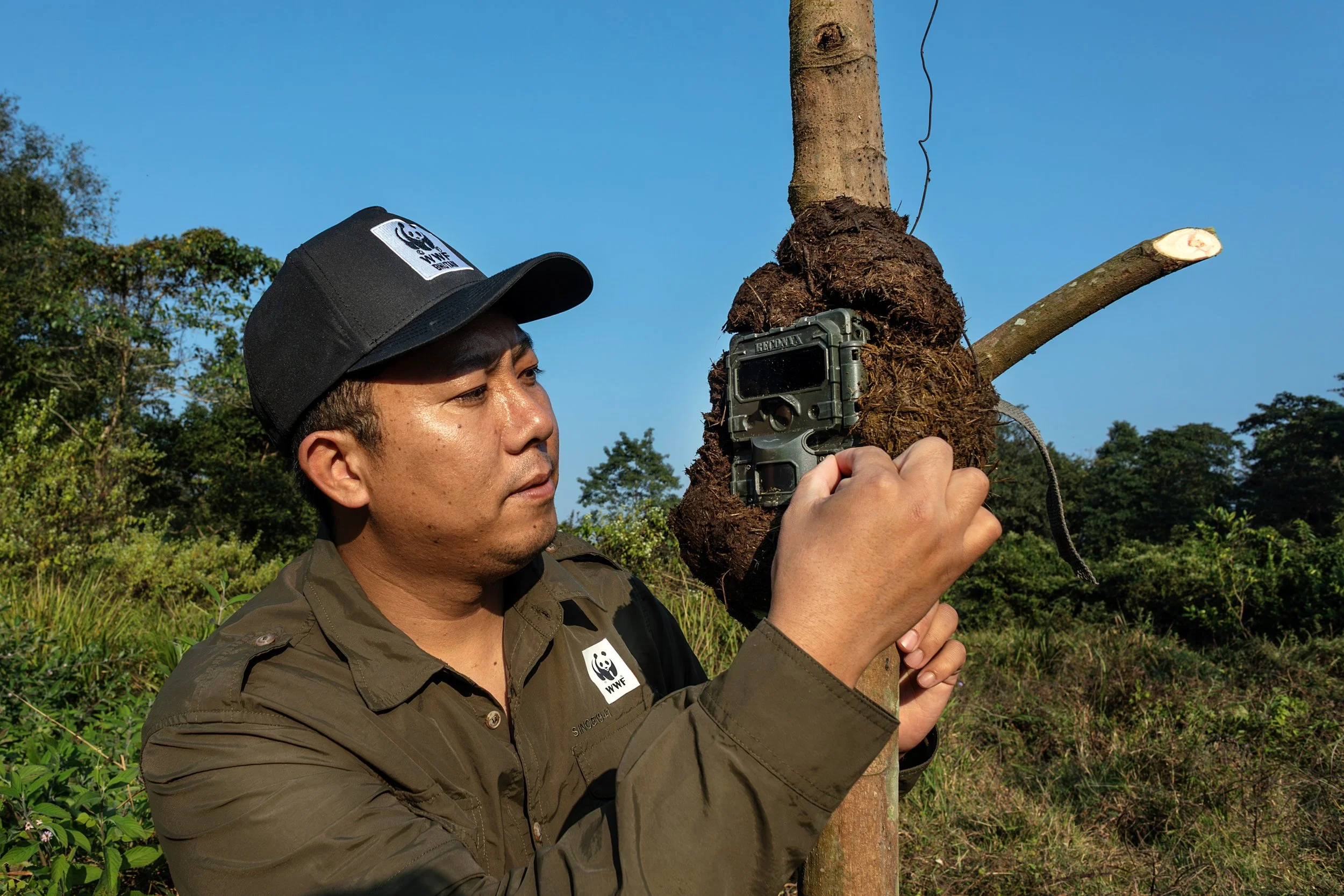
Kuenley Tenzin | Senior programme officer- WWF Bhutan
Bio: Kuenley Tenzin is a Conservation Practitioner with WWF-Bhutan who has over 15 years of experience in biodiversity conservation, wildlife ecology, climate resilience, and human–wildlife coexistence in Bhutan and across the Eastern Himalayas. He co-leads national initiatives on human–wildlife coexistence, conservation law enforcement, species conservation, biodiversity monitoring, and landscape-scale conservation planning in collaboration with the Royal Government of Bhutan, research institutions, and international conservation partners. Kuenley is actively advancing innovative approaches to human-wildlife coexistence through Bhutan's Conflict-to-Coexistence (C2C) strategy, eDNA-based biodiversity monitoring, and the integration of science into conservation policy and practice. His work focuses on developing practical, science-based solutions that strengthen coexistence between people and wildlife while supporting resilient ecosystems and sustainable livelihoods.

Nilanga Jayasinghe | Director, Asia Wildlife - WWF US
Bio: Nilanga Jayasinghe is a director on the Wildlife Conservation team at WWF and focuses on Asian species, particularly elephants, rhinos, tigers, and snow leopards. She has more than 20 years of extensive experience in international species conservation and has worked on conservation issues across the board in Asia, Africa, and North America. Her areas of expertise include human-wildlife conflict management, Asian elephants, strategic planning, connectivity conservation, protected area management, and conservation capacity building, among others. Nilanga is the WWF Network’s Asian elephant lead and is part of the leadership team of the WWF Network’s human-wildlife conflict working group. She is also a member of the Asian Elephant Specialist Group (AsESG), under the International Union for the Conservation of Nature (IUCN) and the Species Survival Commission (SSC), and a member of the Connectivity Conservation Specialist Group under the IUCN’s World Commission on Protected Areas.
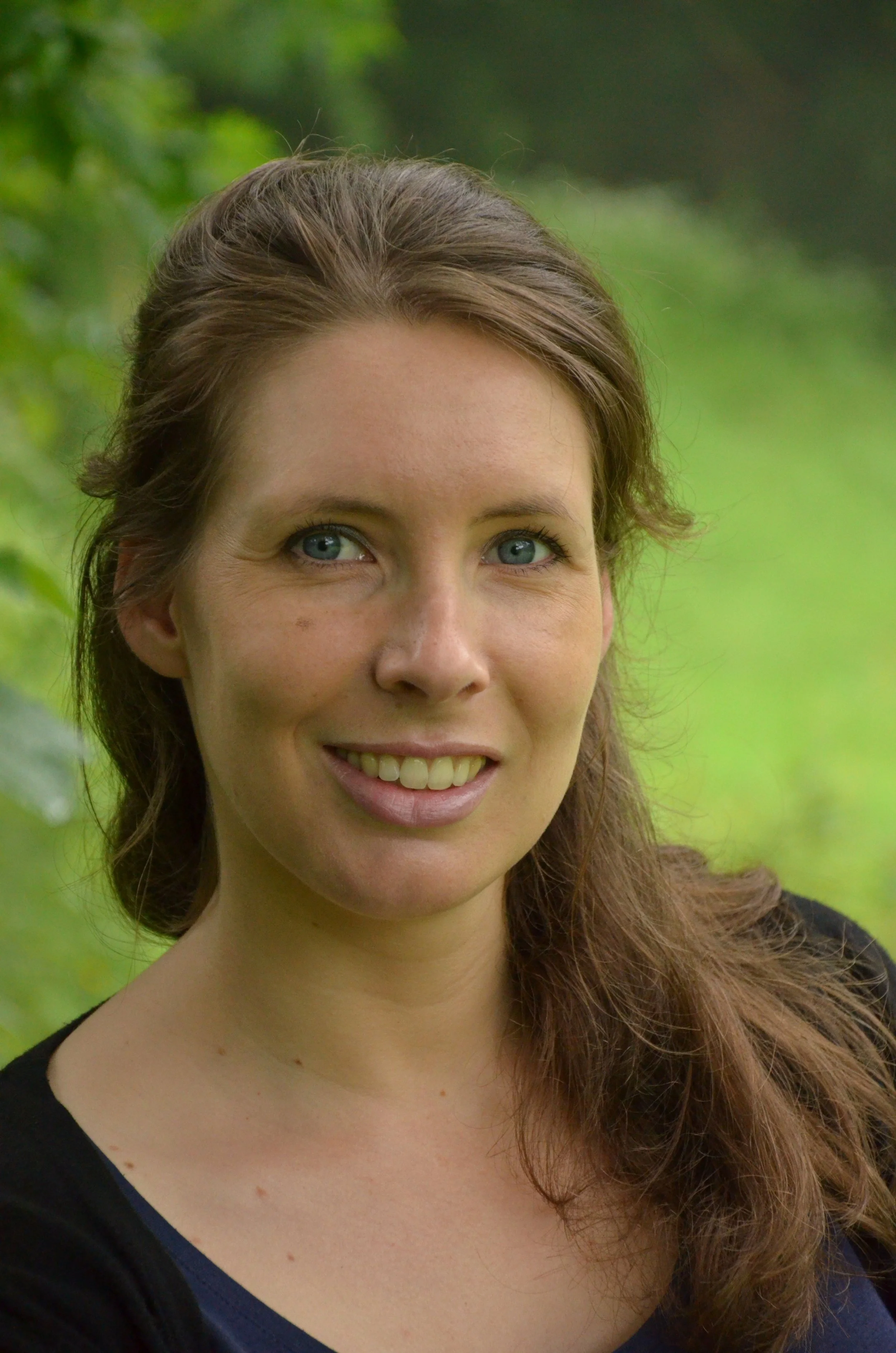
Femke Hilderink | Senior advisor Biodiversity - WWF Netherlands
Bio: Femke Hilderink is a senior advisor on biodiversity conservation with WWF Netherlands and has more than 15 years of experience in international nature conservation. She focusses on the conservation of Asian, African, and European wildlife species and works in the context of an integrated landscape approach. Femke is part of the leadership team of the WWF Network’s human-wildlife conflict working group and her main areas of expertise include human-wildlife conflict and coexistence, strategic planning and connectivity conservation, among others.